Why Sativa Cannabis Flower Remains a Top Choice for Daytime Use
The Appeal of Sativa for Wake-and-Bake Sessions
For many cannabis enthusiasts, the morning routine goes beyond coffee. There is a reason why sativa strains have become synonymous with daytime use, creative projects, and social gatherings. The experience of a well-grown sativa cannabis flower is distinct, offering a clear-headed energy that complements the daylight hours rather than sending you toward the couch. I have personally found that choosing the right sativa can make the difference between a productive afternoon and a wasted one, especially when the flower potency is dialed in correctly.
Over the years, I have sampled countless batches of sativa cannabis flower from various regions, and the ones that stand out are almost always grown with care in small-batch operations. The difference between generic greenhouse-grown bud and a craft cannabis product is night and day. The latter carries a complexity in terpenes that the former often lacks, and that complexity translates directly into the experience.
The Terpene Profile That Drives the Sativa Experience
What makes a sativa feel so different from an indica? The answer lies largely in the terpene profile and the ratio of THC to CBD. While indicas tend to be higher in myrcene, which promotes relaxation, many sativas lean into other terpenes like limonene and caryophyllene. Limonene gives off a bright citrus scent and is associated with mood elevation, while caryophyllene can provide a peppery warmth that is still uplifting. I have noticed that strains with a strong limonene presence, such as certain cuts of Sour Diesel, deliver a noticeably sharper focus than those with heavier myrcene content.
When I first tried a batch of AAA-grade Blue Dream from a grower in the Okanagan Valley, the first thing that hit me was the berry aroma with a hint of earth. That particular batch had been greenhouse-grown under controlled conditions, which allowed the terpenes to develop fully without the stress of outdoor fluctuations. The experience was exactly what I look for in a sativa: a gentle lift that lasted for hours without the jittery edge that some high-THC strains can produce. Blue Dream remains a benchmark for many because it balances the uplifting effects of a sativa with a touch of the body relaxation that comes from its indica lineage, but it is still unmistakably a sativa-dominant flower.
Craft Cannabis and the Rise of Small-Batch Production
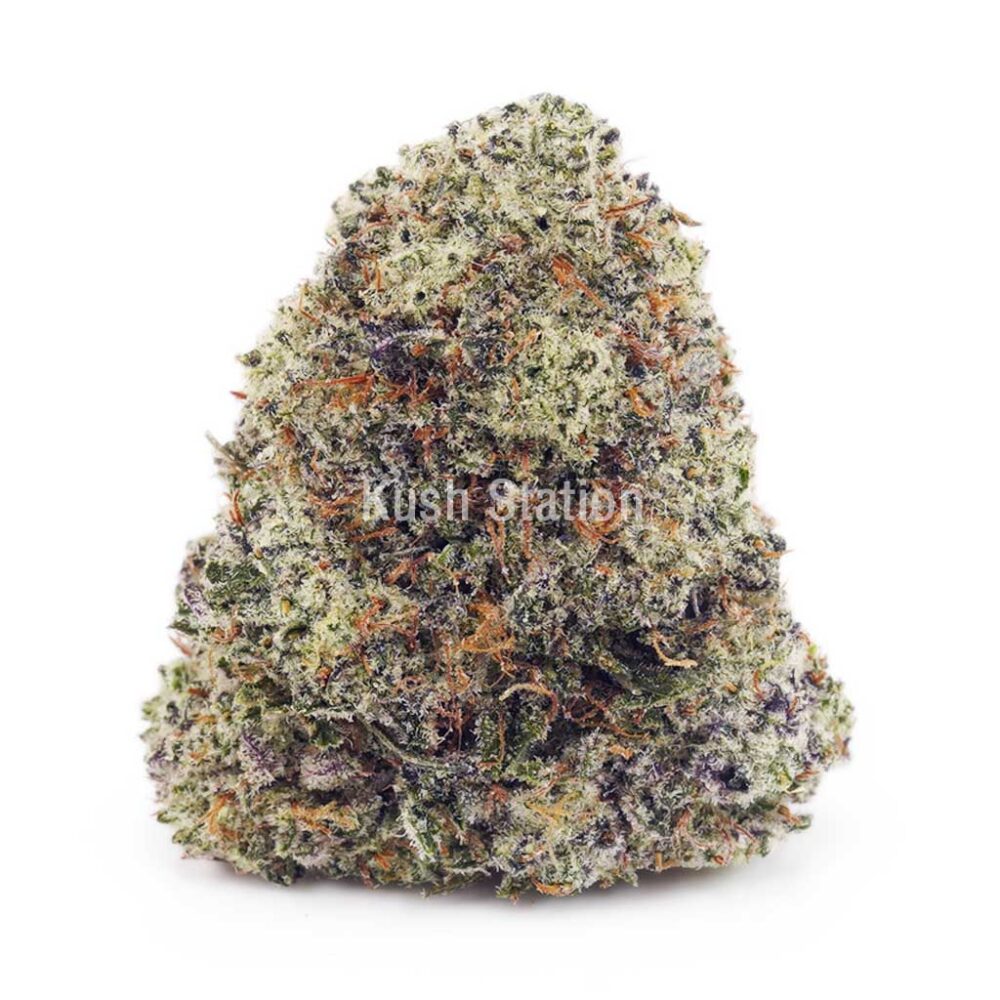
The market for sativa cannabis flower has evolved significantly. Today, consumers have access to a level of quality that was once reserved for the most connected insiders. The rise of craft cannabis has brought heirloom strains back into the spotlight, and small-batch growers are preserving genetics that might otherwise have been lost. I have seen the difference between a mass-produced flower and a small-batch product firsthand. The latter shows more care in curing, a better trichome preservation, and a more nuanced effect.
One of the most impressive heirloom strains I have encountered is Dutch Treat, which has a piney, almost minty profile that is rare in modern hybrids. It is a true sativa in its effects, providing a clear-headed energy that is perfect for writing or painting. The growers who produce Dutch Treat on a small scale often take the time to achieve organic certification, which not only improves the flavor but also reduces the chemical load on the consumer. For anyone who values both purity and potency, seeking out a small-batch sativa cannabis flower with organic certification is a worthwhile investment.
Understanding Flower Potency and the Role of THC and CBD
When people talk about flower potency, they usually mean the THC percentage. But that is only part of the story. A sativa that hits 25 percent THC can feel overwhelming if the CBD level is near zero, because CBD tempers the intensity of THC. Some of my favorite sativa experiences have come from flowers with a moderate THC level, around 18 to 20 percent, accompanied by a small amount of CBD. That combination provides a smoother ride, especially for those who are sensitive to anxiety. I have seen friends who swore off sativas because they thought all sativas were too intense, only to change their minds after trying a well-balanced flower with a slight CBD presence.
It is also worth noting that the term "AAA-grade" is not a regulated standard, but in practice it indicates a flower that has been grown with attention to detail. When I see AAA-grade on a label from a reputable source like BC Bud, I expect dense trichomes, a strong aroma, and a clean burn. BC Bud has a reputation for a reason, and the Okanagan Valley in particular produces some of the finest sativa cannabis flower in Canada. The dry climate and long sunny days there allow plants to mature fully, which concentrates the terpenes and cannabinoids.
Strains That Define the Category
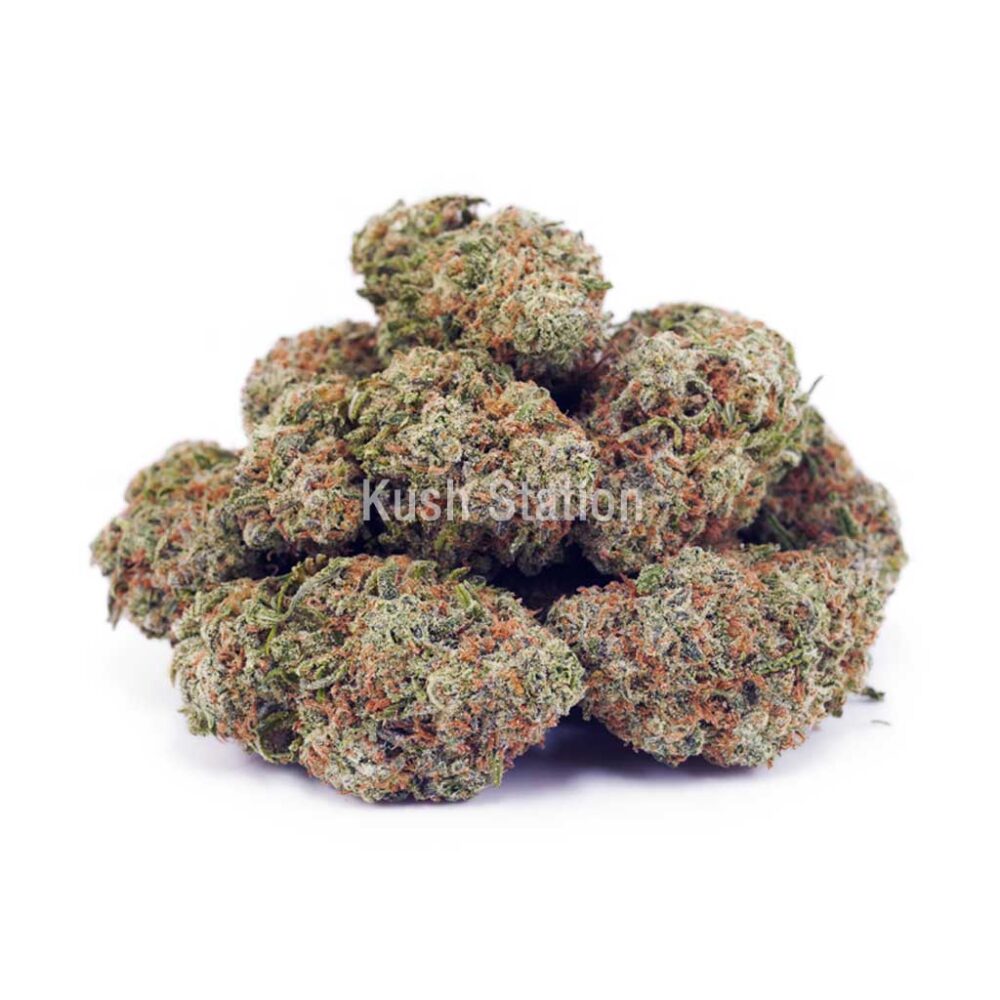
Certain strains have become iconic for a reason. Girl Scout Cookies, despite its name, is actually a hybrid, but its sativa-dominant version is a favorite among those who want a euphoric yet functional high. I have found that the Girl Scout Cookies grown in the Okanagan Valley has a particularly strong limonene note, which gives it a sweet citrus aroma that lingers in the room long after the bowl is spent. Sour Diesel, on the other hand, is a pure sativa classic. Its diesel and lemon scent is unmistakable, and the effect is energizing to the point where I would not smoke it within a few hours of bedtime.
Dutch Treat and Blue Dream are also staples, but they are not the only options. The world of heirloom strains is vast, and many small-batch growers are reviving genetics that were once thought extinct. For the curious consumer, exploring a variety of sativa cannabis flower from different producers is the best way to understand the range of effects that sativas can offer. The same strain grown by two different farmers can produce a completely different experience, depending on the soil, the climate, and the curing process.
Practical Advice for Choosing and Enjoying Sativa Flower
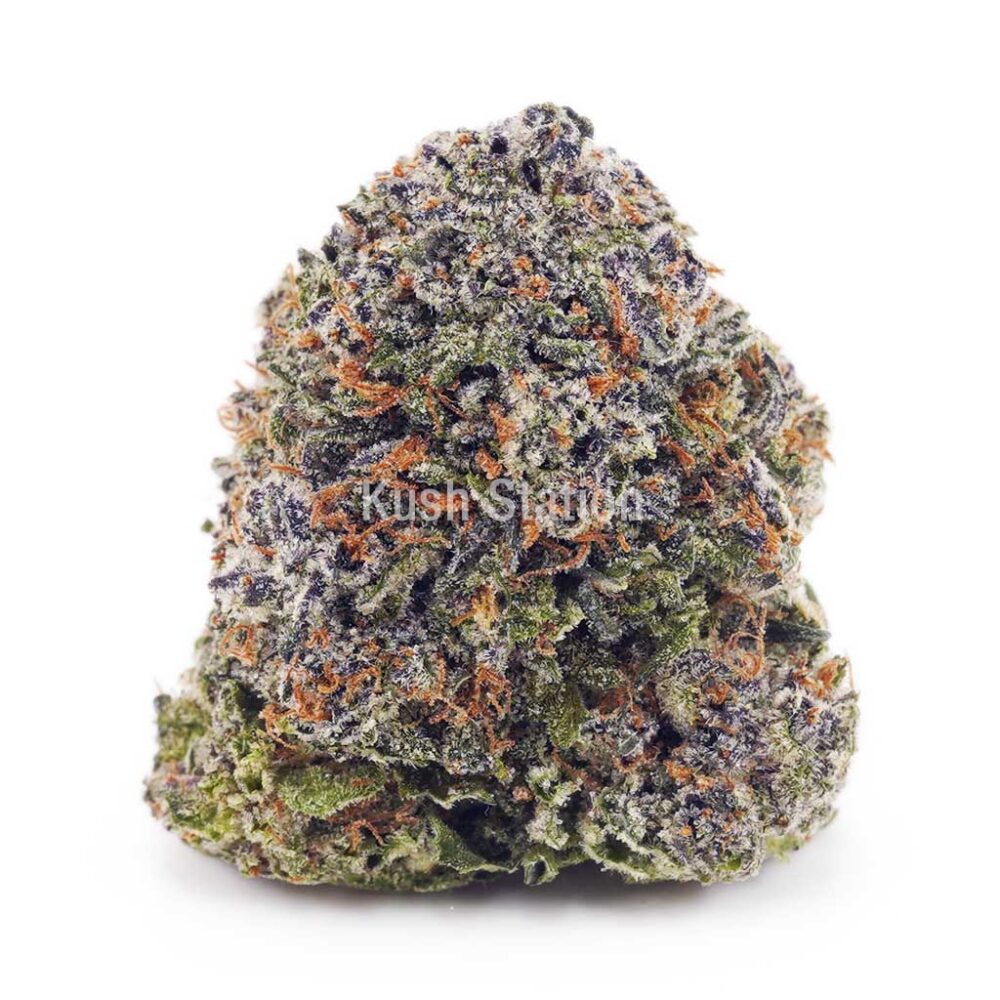
When selecting a sativa cannabis flower, I always recommend looking for a few key indicators. The first is the smell. A fresh sativa should have a pungent, often citrusy or piney aroma that fills the room. The second is the look: trichomes should be visible to the naked eye, and the flower should not be too dry. If it crumbles to dust when squeezed, it has either been stored improperly or is past its prime. The third is the source. Knowing that your flower comes from a greenhouse-grown operation with organic certification gives you some assurance that you are not inhaling pesticides or synthetic additives.
Storage is another factor that many people overlook. I keep my sativa cannabis flower in an airtight glass jar away from direct light. This preserves the terpenes and prevents the THC from degrading. A properly stored flower can stay potent for months, while a poorly stored one can lose its punch in weeks. For those who buy in bulk, investing in a humidity pack can keep the flower at the ideal moisture level.
Finally, I always suggest starting with a small amount when trying a new sativa, especially if you are not used to high-THC flowers. The effects of a sativa can creep up on you, and it is better to find your comfort zone gradually than to overdo it and end up with a racing heart. A good sativa should feel like a gentle lift, not a rocket launch. The best growers understand this and craft their flowers to deliver a balanced, enjoyable experience that respects the consumer's well-being.
In the end, the world of sativa cannabis flower is rich with variety, and the best way to appreciate it is to explore with an open mind and a discerning palate. Whether you are reaching for a classic like Sour Diesel or a rare heirloom from a small-batch producer, the right flower can transform an ordinary day into something special.